In industrial environments, every cable has a specific purpose. While instrumentation cables and control cables may appear similar, they are designed for different applications and play unique roles in ensuring the safe and efficient operation of electrical systems.
Understanding the difference between these cable types is essential when designing or maintaining industrial installations. Selecting the right cable helps improve system reliability, reduces the risk of signal interference and supports long-term operational performance.
What Are Instrumentation Cables?
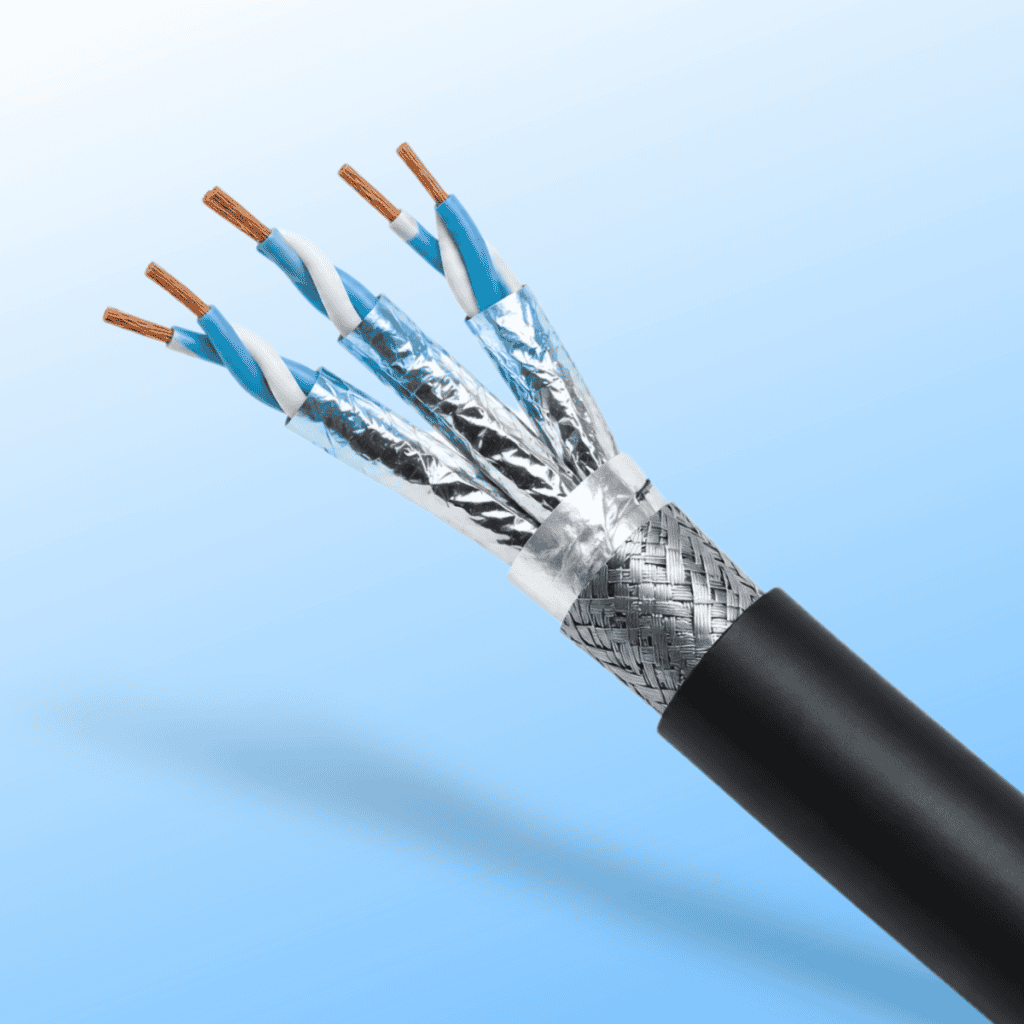
Instrumentation cables are designed to carry low-voltage signals between field instruments, sensors and control systems. Their primary function is to transmit accurate data for monitoring and process control, making them an essential component in industries where precision is critical.
These cables are commonly used in power stations, petrochemical plants, mining operations, manufacturing facilities and process industries. Many instrumentation cables are designed with shielding to minimise electromagnetic interference, helping ensure that sensitive signals remain accurate even in electrically noisy environments.
Reliable signal transmission is particularly important where measurements such as pressure, temperature and flow rates influence automated processes.
What Are Control Cables?
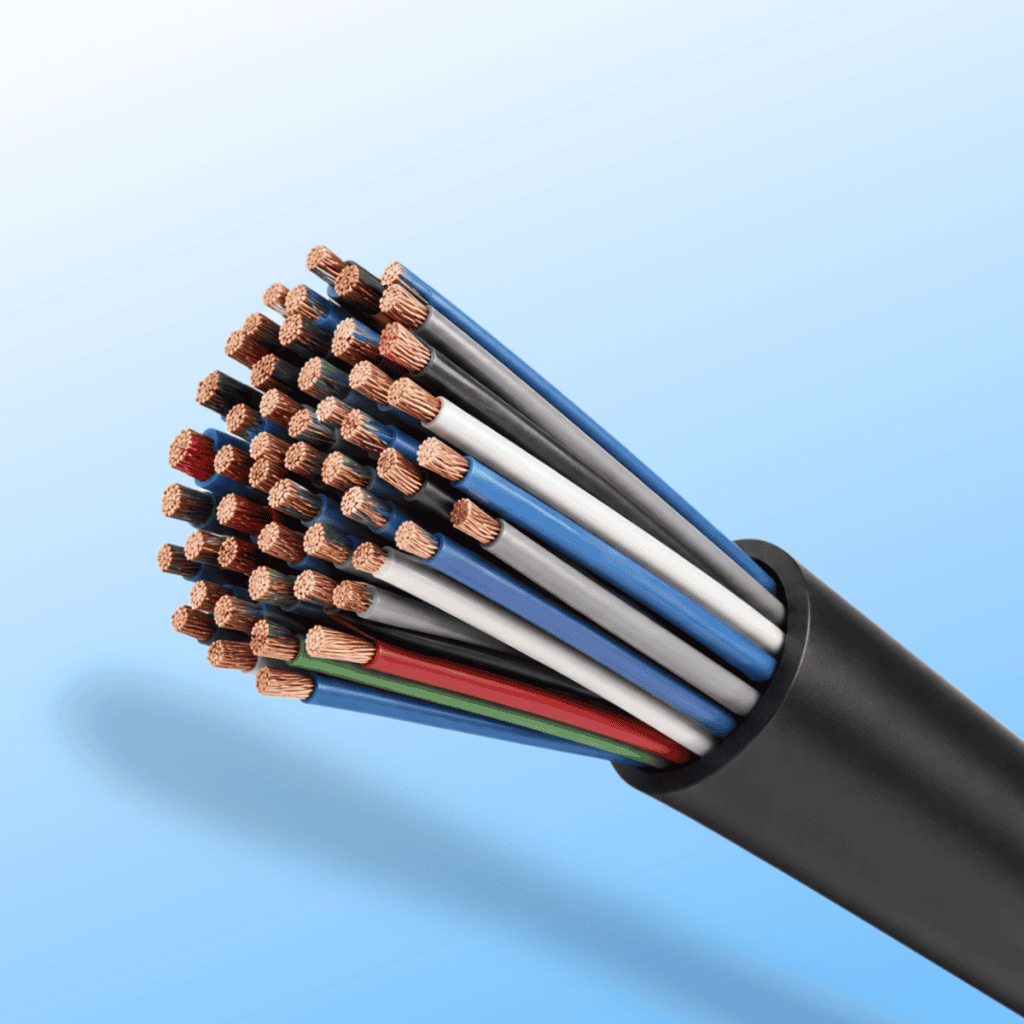
Control cables are used to transmit electrical signals that operate machinery, equipment and automated systems. Rather than carrying measurement data, they are responsible for controlling the functions of motors, relays, switches and other electrical components.
These cables are widely used in production plants, conveyor systems, electrical panels and industrial automation projects. They help ensure equipment responds correctly to commands, supporting smooth and efficient operation across a range of industries.
Because control cables often experience frequent movement or mechanical stress, they are designed to provide dependable performance in demanding working environments.
Choosing the Right Cable for Your Application
The choice between an instrumentation cable and a control cable depends on the specific requirements of your installation. If the application involves transmitting measurement signals from instruments or sensors, an instrumentation cable is generally the appropriate choice. If the cable is required to control equipment or machinery, a control cable is typically the better option.
Other considerations include the installation environment, exposure to moisture or chemicals, temperature conditions, voltage requirements and compliance with relevant industry standards. Selecting the correct cable from the outset helps reduce maintenance, improve system efficiency and extend the lifespan of the installation.
Final Thoughts
Although instrumentation cables and control cables perform different functions, both are essential to modern industrial operations. Understanding their unique applications ensures that electrical systems operate safely, accurately and efficiently.
When planning your next project, working with a trusted cable manufacturer can help you select the most suitable cable for your operational requirements, ensuring dependable performance for years to come.
Explore Intercable’s range of instrumentation and control cables designed for demanding industrial environments and manufactured to meet recognised South African quality standards.